
Biographical overview
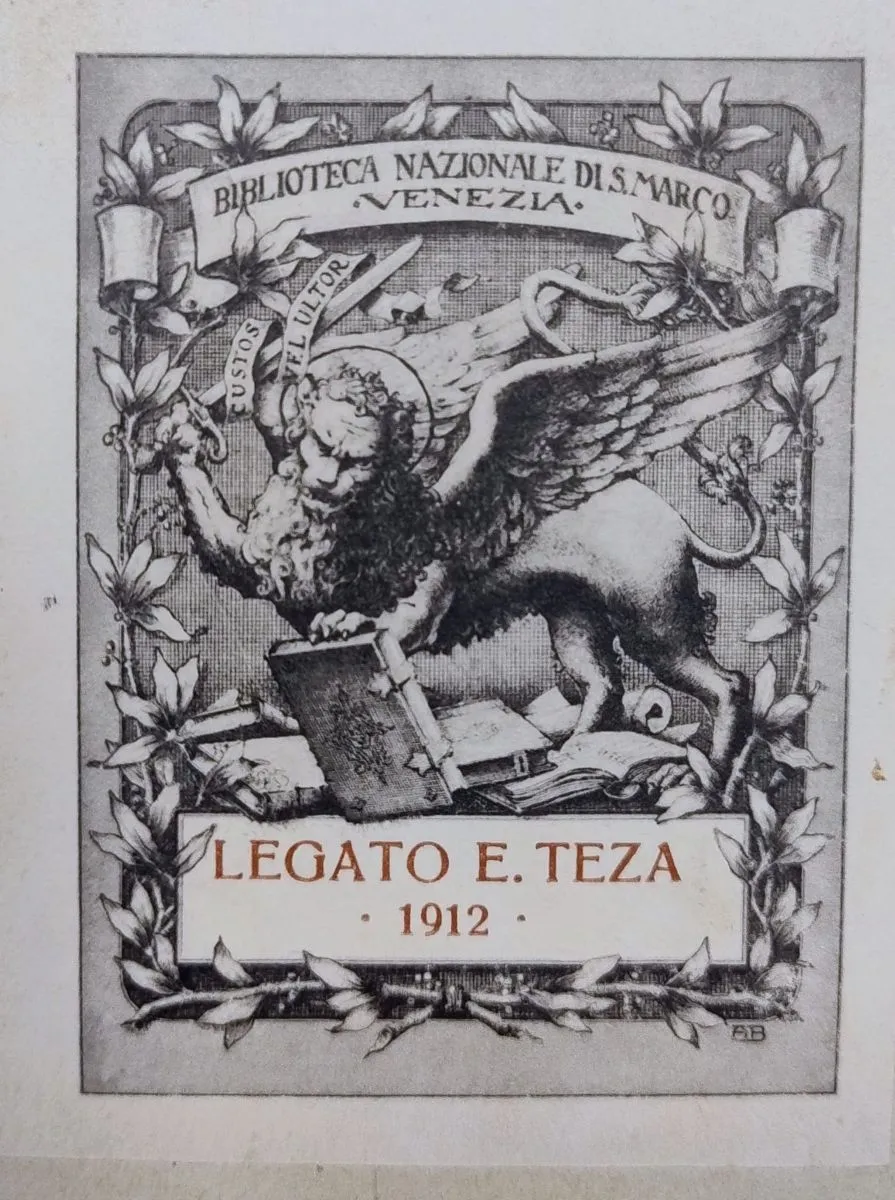
1912: Teza (approximately 30,000 volumes, mainly relating to Eastern civilisations)
Emilio Teza was born in Venice in 1831 and died in Padua in 1912. Already well known in scholarly circles for his translation of Georg Curtius’ Greek grammar, he joined the Biblioteca Marciana in 1858 as an assistant.
In 1860, he moved to the Biblioteca Medicea Laurenziana in Florence and, in the same year, was appointed to the chair of Modern Comparative Literature at the University of Bologna. He later held professorships in Sanskrit, comparative classical languages, and Romance philology at the Universities of Pisa and Padua.
Among the many languages he mastered and studied were Chinese, Japanese, and Tibetan; Indo-European languages from Celtic to Indo-Aryan and Armenian; and numerous others, including Turkish, Finnish, Bulgarian, Russian, and Hebrew.
Extent and composition
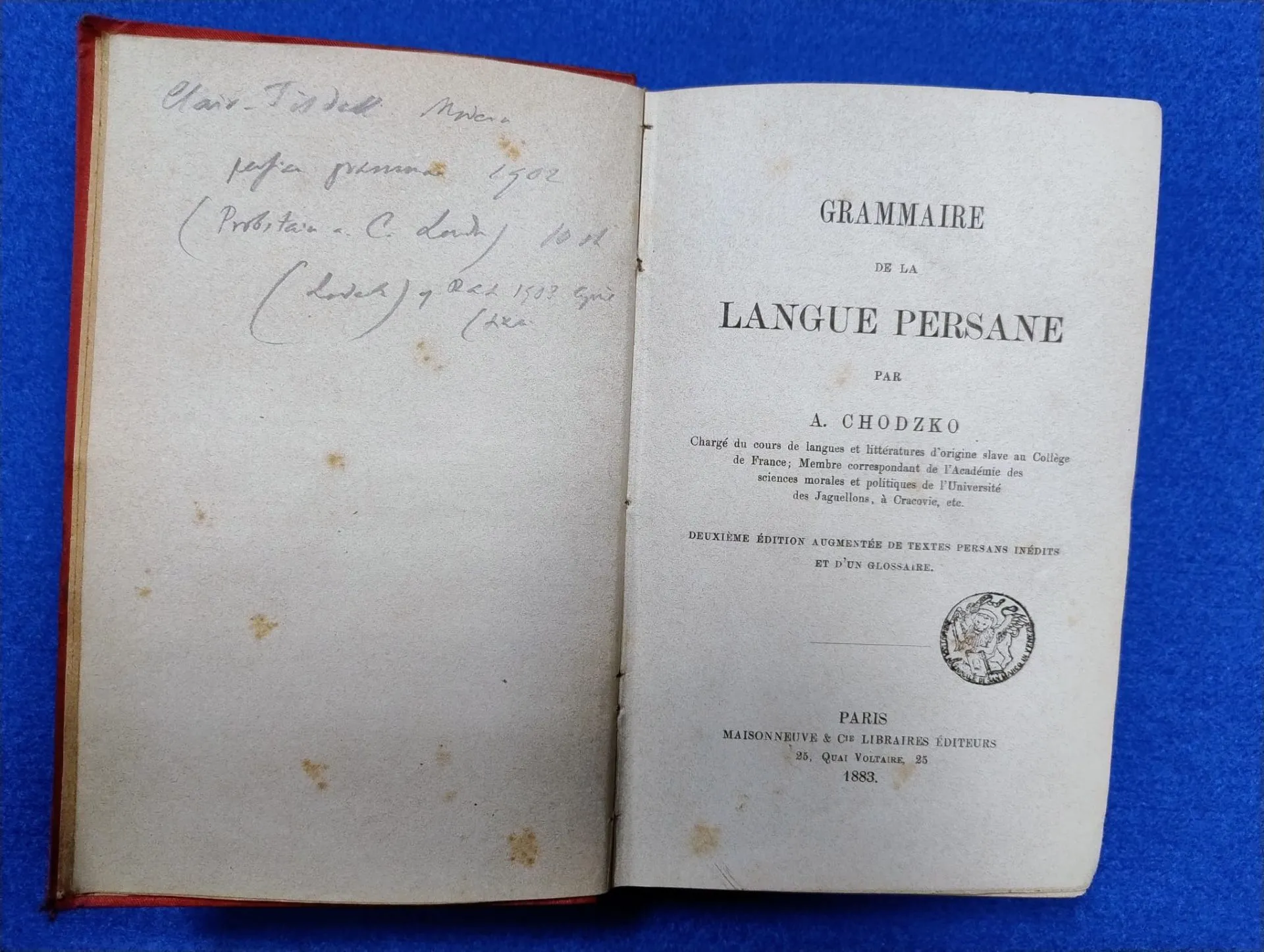
The substantial library of approximately 30,000 volumes, assembled by Emilio Teza over the course of a lifetime of study, was transferred to the Marciana in 1912 after his death, in accordance with his testamentary provisions.
Teza divided his collection into three principal categories:
- First class: works of a general nature, including histories of literature, science, religion, philosophy, and related subjects.
- Second class: the largest section and the true core of the library, consisting of an extensive body of works on philology and linguistics.
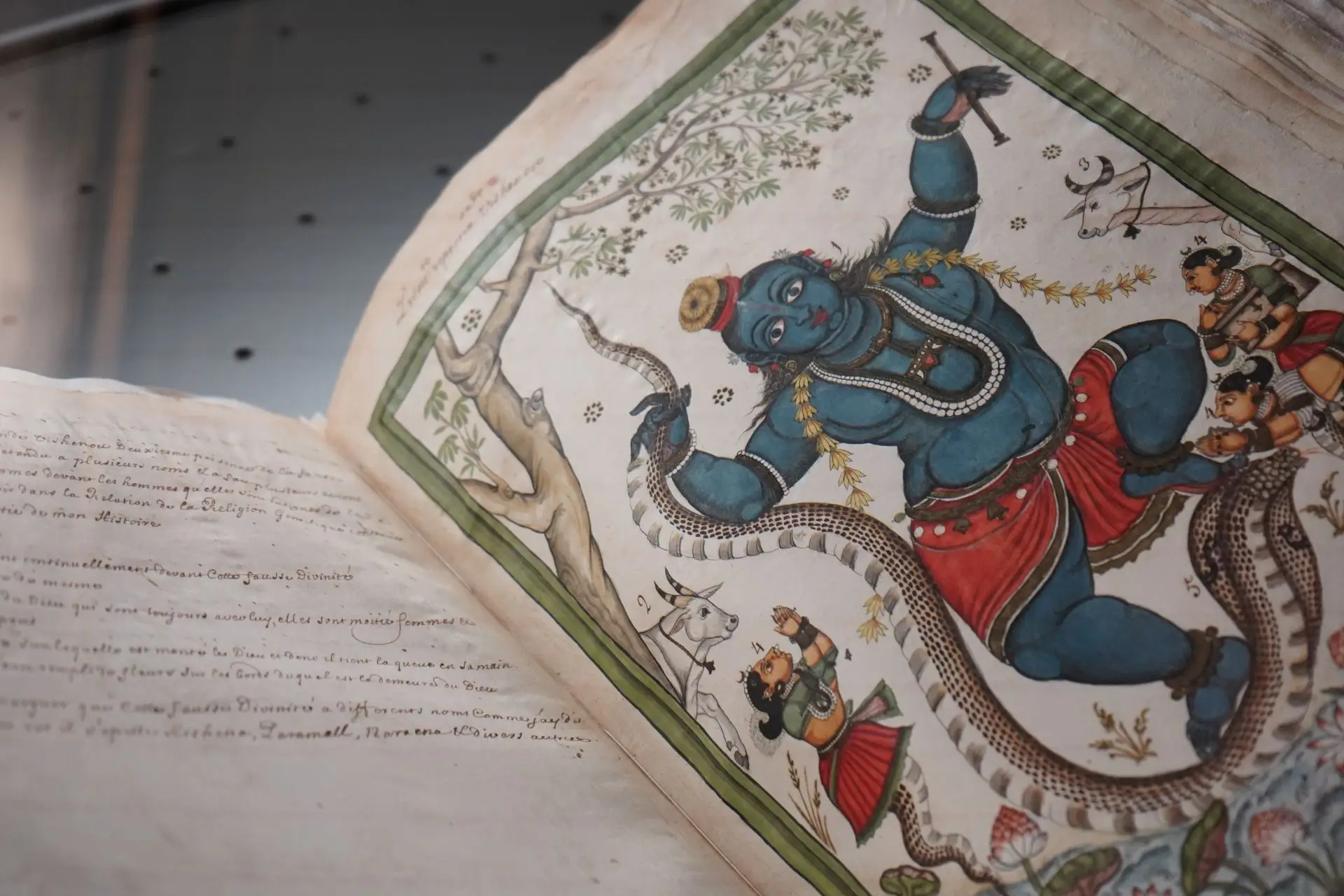
This section includes a remarkable number of dictionaries in a wide range of languages, from Hebrew to Tibetan. Many of these volumes—primarily published in the second half of the nineteenth century—are now rare and difficult to locate elsewhere. - Third class: the series of Oriental texts, which gives the collection its distinctive character within Italy. This section comprises printed works in various Eastern languages, including Chinese, Japanese, Tibetan, Korean, Sanskrit, Sinhalese, and Burmese.
The collection is completed by a Miscellaneous section, in which a large body of ancillary material (offprints, newspaper clippings, booksellers’ catalogues, etc.) has been gathered, forming an essential complement to the study of the collection.
Further reading
- Carlo Frati, Emilio Teza, followed by Teza’s bibliography, Venice, C. Ferrari, 1914 (offprint from the Atti del R.Istituto veneto di scienze, lettere ed arti, 1913–1914, vol. LXXIII, part 1).
- Carlo Frati, La libreria del prof. Emilio Teza donata alla Marciana, Florence, L. S. Olschki, 1913 (offprint from La Bibliofilia, vol. XV, issue 1).