



Library services
Bibliographic information
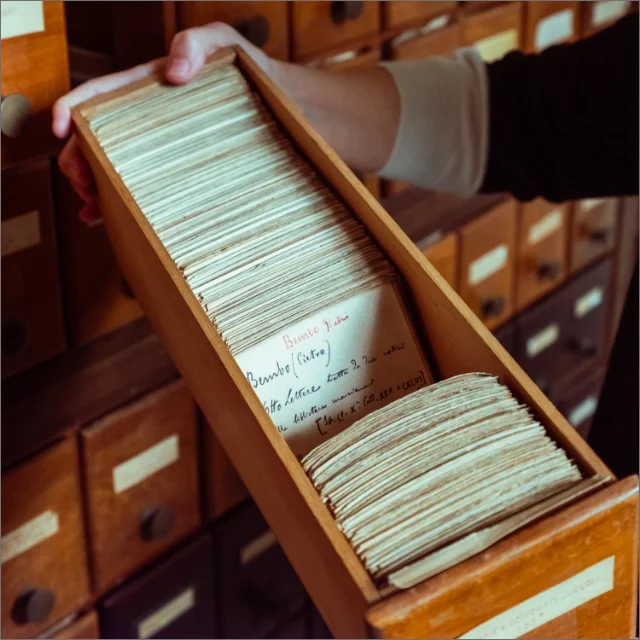
In the Printed Materials Room and the Manuscripts Room, a librarian is available to assist readers with catalogue searches and bibliographic enquiries.
Bibliographic information may be requested remotely, provided the request includes your full name, full address, and email address.
Loans
The loan service governs how printed works may be requested, how long they may be borrowed, and how they are returned, as well as interlibrary loan and any restrictions on specific categories of materials. The regulations also define limits, eligibility criteria, and how to reserve items through the OPAC.
Self-service digital reproductions
In compliance with current legislation (Art. 108 of Legislative Decree 42/2004), reproduction for personal study, research, or other non-profit activities of works held by the Library is permitted.
In the Printed Materials Room, by completing the available form, self-service reproductions of printed materials (maximum size A3) published after 1900 can be made using the dedicated scanner and a personal USB drive, always in accordance with current copyright law.
Digital reproductions on request
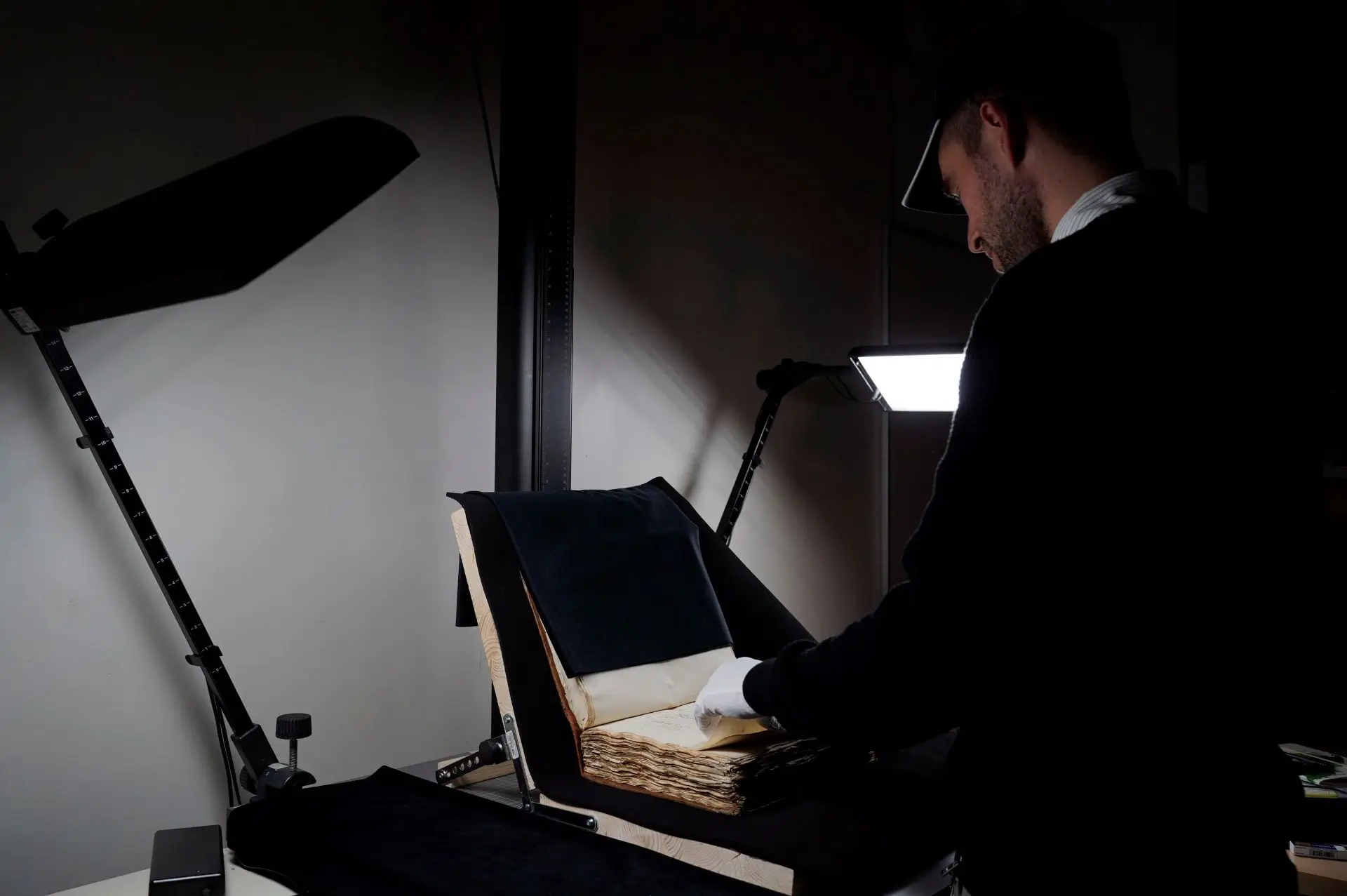
The Reproduction Service coordinates requests for digital reproductions of manuscripts and printed works submitted to the Library. Reproductions of modern printed works (post-1900) are carried out using scanners, in compliance with current copyright legislation and Legislative Decree 42/2004.
All requests must be authorised by the curators responsible for the collections and are then forwarded to the external contractor holding the service concession.
Digital Library
The Digital Library of the Biblioteca Nazionale Marciana comprises a wide-ranging body of digital resources, developed over time through national projects, institutional collaborations, and the Library’s own initiatives.
The digitised collection is currently accessible through a range of access points, depending on the methods used for the description, preservation, and publication of the materials. Digital reproductions may be consulted, as appropriate, via the Internet Culturale portal, through the catalogue of the National Library Service (OPAC SBN), via dedicated workstations available on site, or within specific digital editions and thematic projects (such as the digital edition dedicated to Giovanni Battista Cavalcaselle).
Educational activities
The Department designs, plans, and delivers educational activities and series of events focused on the Library’s manuscripts and its library and archival collections. It also coordinates the programme of educational activities and guided visits.
Audioboooks
The Biblioteca Nazionale Marciana offers a service for blind and visually impaired users, and users with dyslexia, as part of the Libro Parlato Lions project.
The service was established through an agreement between the Italian Ministry for Cultural Heritage and Activities and the Associazione Libro Parlato Lions, with the aim of providing free access to audiobooks for consultation, download, and loan.
Venue hire
This document sets out the comprehensive regulations governing the use of spaces, reproduction rights, and educational services, including a fee schedule defining the procedures and terms for the temporary use of the Library’s monumental spaces (Sansovino Hall, Vestibule Hall, Procurators’ Rooms), as well as other spaces (Teaching Room, Reading Rooms, interior spaces and roof) and related services of the Biblioteca Nazionale Marciana in Venice. Access is provided via the monumental staircase (Piazzetta San Marco 13/a) and the main entrance (Piazzetta San Marco 7).
Legal deposit
Legal deposit governs the obligation to submit publications to the national and regional legal deposit archives. The Biblioteca Nazionale Marciana serves as the legal deposit library for the province of Venice and provides publishers with guidelines and procedures for the submission of documents.
Service Charter
The Service Quality Charter pursues two main objectives:
a) to establish the principles and rules governing the relationship between public administrations providing services and the citizens who use them, in accordance with the principle of transparency established in numerous legislative provisions;
b) to support the directors of institutions in defining their cultural strategy and identifying the stages of the improvement process.